


Related Posts
Tags
Building a custom home on a lakefront property presents unique challenges. When exploring custom homes for lakefront properties, consider property selection, local regulations, shoreline stability, budgeting for extra costs, and sustainability. This blog will help you navigate these considerations for a successful lakefront project.
Key Takeaways
- Selecting the right lakefront property is critical, focusing on water access, shoreline stability, and local regulations to ensure enjoyment and investment value.
- Budgeting for lakefront custom homes should account for construction costs, hidden expenses, and appropriate financing options, ensuring financial feasibility throughout the building process.
- Designing for waterfront living involves maximizing natural light and views, creating seamless indoor-outdoor transitions, and using durable materials to withstand environmental challenges.
Selecting the Ideal Lakefront Property
Choosing the right lakefront property is a crucial first step for both enjoyment and investment value. The allure of waterfront properties lies in their unique combination of natural beauty and recreational opportunities. However, the process of choosing the perfect waterfront property involves several key factors, including water access, shoreline characteristics, and local regulations.
Assessing water access quality is important as it impacts recreational activities and property value. Factors such as seasonal water levels, water depth, and water quality protection, along with the type of shoreline present, can significantly influence your experience.
Knowledge of local regulations is necessary to ensure compliance and protect long-term property value. Local zoning laws, building codes, and permit requirements can impact what structures can be built and where. Opting for a property with a stable shoreline helps prevent erosion and maintain water quality.
Evaluating Water Access and Quality
High water quality is fundamental for a lakefront property, influencing both recreation and property values. When evaluating a potential waterfront property, consider the type of shoreline—sandy beaches are generally more appealing and usable than rocky or marshy areas. Seasonal variations in water depth can also affect the feasibility of using docks and other recreational activities.
Beyond the immediate visual appeal, the type of shoreline directly influences the kinds of activities you can enjoy. Water depth, traffic patterns, and view corridors are critical factors that differentiate waterfront properties. Protecting water quality through proper stormwater management and floodplain considerations is crucial for long-term enjoyment and sustainability. For those beginning this process, there are several things to consider before building a custom luxury home, such as understanding zoning setbacks, utility access, and soil conditions that can affect design feasibility.
Understanding Local Regulations
Local zoning laws and regulations greatly influence waterfront construction. Permits are often required for modifications in shoreline areas, and these must be secured from local authorities. For instance, in Minnesota, permits from the Department of Natural Resources (DNR) are required for any alterations within 50 feet of the high water mark.
Navigating these regulations can be complex, but working with experienced builders can streamline the step-by-step process and ensure compliance with local codes and special permits. Adhering to specific requirements like setback requirements, impervious surface limits, and vegetation preservation standards is crucial for successful lakefront construction. This is also where choosing a luxury home builder before buying land can make a significant difference, as the right builder can guide you through the regulatory and site preparation stages before purchase.
Shoreline Stability and Erosion
Shoreline stability is a key factor in lakefront construction. Historical analysis of erosion patterns can help determine effective stabilization techniques for a property. A stable shoreline protects property against erosion and ensures water quality.
Techniques for preventing erosion include the use of retaining walls, which can effectively combat soil erosion at lakefront properties. Understanding the erosion history of a property can prevent significant financial losses and help maintain the integrity of the waterfront home.
Budgeting for Your Lakefront Custom Home
Budgeting is an essential part of planning your lakefront custom home. The total cost of building a lakefront home includes construction costs, funding options, and potential hidden costs. With careful financial planning, you can avoid unexpected financial burdens and ensure a smooth building process.
Custom lakefront homes typically cost 10-20% more than inland properties due to the unique challenges and additional features required. The average cost of a new single-family home, including land, can significantly influence your budget planning. Accounting for these costs ensures the financial feasibility of your dream home.
Construction Costs Breakdown
Building a lake house can be more expensive than inland properties due to the unique requirements of waterfront construction. The cost per square foot for custom lake homes reflects the higher costs associated with lakefront construction.
Luxury waterfront homes often include specialized systems such as waterproofing membranes and energy-efficient HVAC systems, which contribute to higher construction costs. Being aware of these costs and planning accordingly is crucial for a successful lakefront construction project. For smoother transitions into your finished property, consider reviewing moving tips for new luxury custom home preparations to plan for logistics, utility setup, and protection of high-end finishes during the move.
Financing Options for Lakefront Projects
Financing options for lakefront projects typically include construction-to-permanent loans and construction-only loans. Construction-to-permanent loans transition from a construction loan to a permanent mortgage once the home is completed, providing a seamless financing solution. Construction-only loans, on the other hand, provide funds solely for the building phase, requiring the borrower to secure a separate mortgage afterward.
Factoring in total project costs, including foundational and lake-specific features, is critical when planning your financing strategy. These loans can help manage the financial aspects of building a waterfront custom home effectively.
Hidden Costs to Consider
Hidden costs in lakefront construction can include dock installation, seawalls, and expanded outdoor spaces. Verifying that the lot is buildable without extensive and costly site work helps avoid unexpected expenses. Using high-quality waterproofing, durable siding materials, and impact-rated windows is vital for weather protection.
Additionally, the following strategies can help with construction issues and energy efficiency:
- Planning for the freeze-thaw cycle, which can cause significant construction issues
- Using energy-efficient materials like insulated concrete forms to lower long-term energy costs
- Incorporating smart home technology to enhance energy efficiency and lead to cost savings.
Designing for Waterfront Living
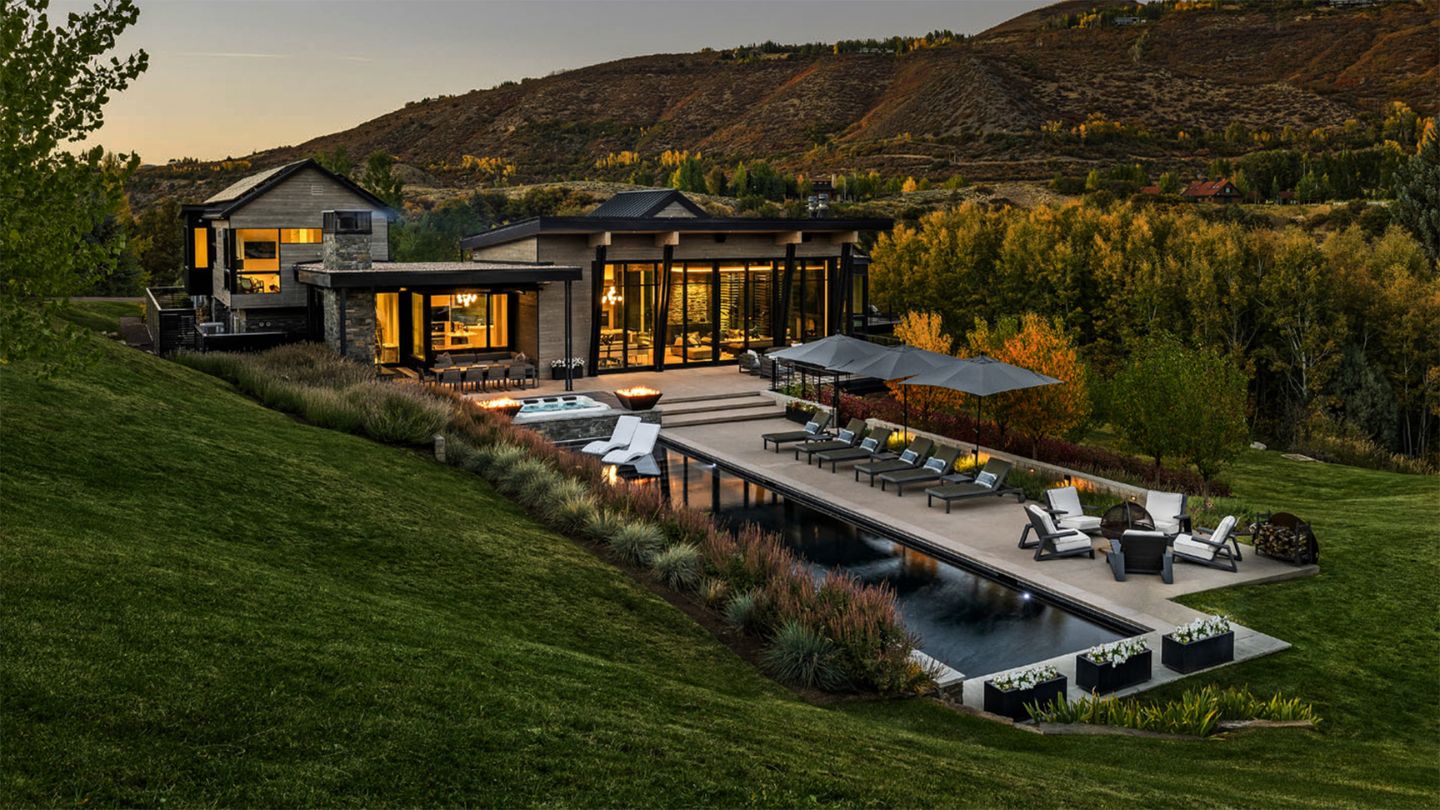
Designing a waterfront home involves maximizing natural light and views, ensuring seamless indoor-outdoor transitions, and using durable materials. These elements are essential for creating a harmonious and enjoyable living space that takes full advantage of the lakefront setting.
Positioning living spaces to face the water strengthens the connection between indoor and outdoor areas. Large balconies and expansive windows significantly enhance connectivity with the natural surroundings. Implementing these design strategies can greatly enhance the experience of waterfront living.
Maximizing Natural Light and Views
Maximizing natural light and views is a key design consideration for waterfront homes. Strategies to enhance the connection to the natural environment include:
- Strategic window placement
- Open floor plans
- Orienting living spaces toward the water
- Incorporating skylights to significantly enhance natural light
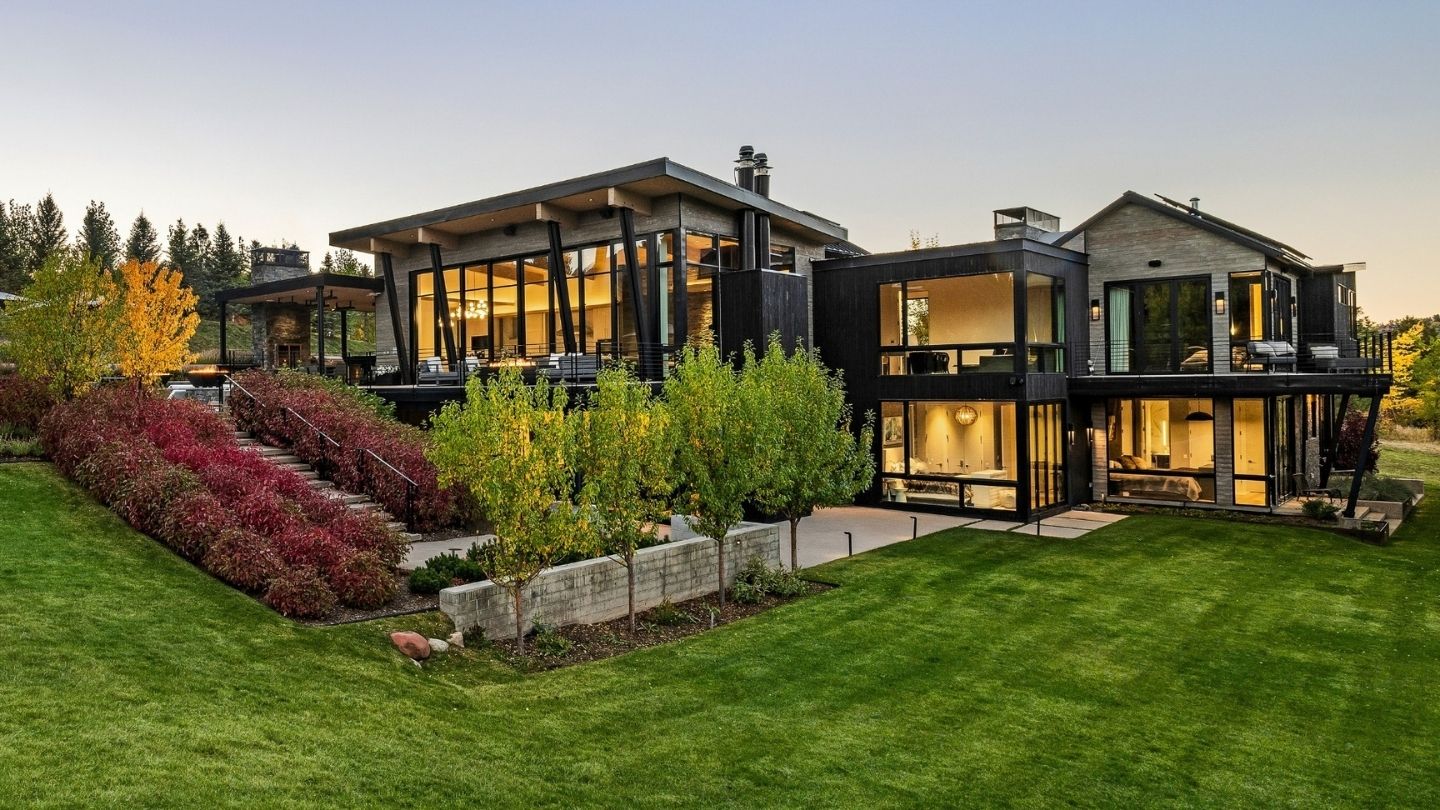
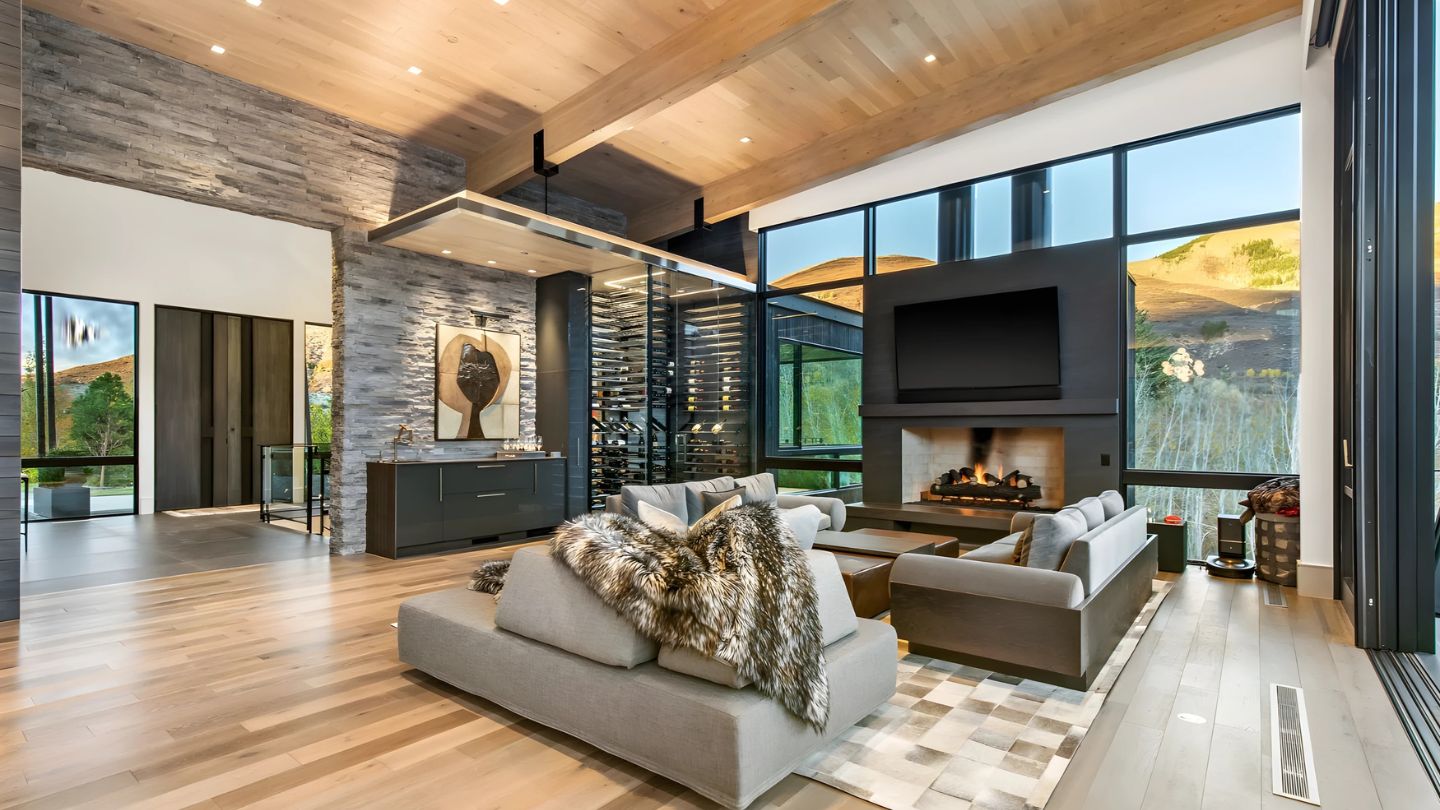
Luxury waterfront homes often feature floor-to-ceiling glass walls and panoramic windows to greatly enhance the views. Thoughtful design strategies like considering the sun’s path and maximizing sightlines are crucial for creating a waterfront home that fully embraces its natural surroundings.
Seamless Indoor-Outdoor Transitions
Seamless transitions between indoor and outdoor living spaces enhance the waterfront living experience. Open-concept living spaces promote an airy and spacious feel, encouraging a natural flow between areas. Features like retractable glass walls can effectively blur the lines between indoor and outdoor spaces, allowing for flexible use of the area.
These features enhance aesthetics and improve the functionality and enjoyment of lakefront living. Thoughtful design elements that connect indoor and outdoor spaces are crucial for creating a cohesive living environment.
Durable Materials for Waterfront Homes
Durable materials in waterfront home construction are necessary to withstand moisture, high winds, and fluctuating temperatures. Common materials for waterfront homes that ensure durability include composite decking, fiber cement siding, and marine-grade metal fasteners.
Marine-grade materials ensure long-term durability in waterfront constructions. These materials provide the necessary resilience to protect against the unique challenges posed by the waterfront environment.
Addressing Environmental and Safety Concerns
Environmental and safety concerns are paramount in waterfront construction. Navigating stricter environmental agency regulations compared to traditional building is crucial for protecting the natural beauty and integrity of lakefront properties. Building approvals are essential permits for luxury waterfront home construction. Additionally, shoreline conservation clearances are also crucial.
Addressing soil stability and sustainable building practices is vital for the longevity of waterfront structures. Adhering to regulations ensures that your lakefront custom home is both environmentally responsible and safe for long-term use, especially when considering reinforced foundations and foundation work.
Floodplain and Water Level Management
When constructing on waterfront property, it is essential to understand flood risk. Proper preparation for potential flooding is essential. Important considerations include:
- Conducting a site survey to assess elevation
- Understanding floodplain considerations for construction
- Evaluating high water tables, which can complicate basement construction
- Recommending suitable foundation types based on specific evaluations
Consulting geotechnical reports and ensuring structural integrity in flood zone construction are essential steps in managing floodplain considerations. Elevating the main level can protect homes from flooding and serve as a design feature, as outlined in the drainage plan.
Erosion Control and Shoreline Protection
Utilizing native vegetation along shorelines acts as a natural barrier, helping to stabilize soil and reduce erosion. Retaining walls and permanent erosion blankets provide long-term soil stabilization and support the establishment of native plant growth in waterfront areas.
Rip rap revetments and coir logs made from coconut fibers effectively absorb wave energy and prevent erosion. Implementing these strategies enhances the aesthetic appeal and environmental resilience of lakefront properties.
Sustainable Building Practices
Sustainable building practices are essential for minimizing environmental impact and preserving the natural beauty of lakefront areas, including resource protection areas. Native vegetation preservation, rain gardens, and naturalized shorelines are essential sustainable design practices that protect water quality at lakefront properties.
Adopting these eco-friendly practices conserves local ecosystems and enhances the beauty and sustainability of your lakefront home. Sustainable building practices promote long-term environmental health and aesthetic appeal.
Essential Features for Lakefront Custom Homes
Essential features for lakefront custom homes include maximizing natural light and views, ensuring seamless indoor-outdoor transitions, and incorporating outdoor entertainment areas. Thoughtful design elements enhance lakefront living and make the most of the natural surroundings.
Large windows, balconies, and screened porches are key features that enhance connectivity with the natural environment. Specialized storage solutions and recreational amenities further elevate the lakefront living experience.
Outdoor Entertainment Areas
Incorporating outdoor entertainment areas such as covered patios, fire pits, and outdoor kitchens adds versatility and enhances the social experience while enjoying a lakefront property.
These features provide spaces for dining, socializing, and enjoying the natural surroundings.
Boat Storage and Dock Systems
Durable dock systems with built-in storage for boating equipment are essential for optimizing space and safety. Designated water activity zones and effective storage solutions significantly enhance the functionality of your lakefront property.
Multi-Generational Living Spaces
Designing multi-generational living spaces with bonus rooms and flexible layouts caters to various family needs and provides comfort and convenience for all. Thoughtful design allows families to enhance comfort while enjoying close proximity and maintaining personal space, including bunk rooms.
Final Thoughts
Building a lakefront custom home requires thoughtful planning and attention to detail—from selecting the perfect property and ensuring shoreline stability to understanding local building regulations, budgeting wisely, and implementing sustainable design practices. Each of these considerations helps create a functional, beautiful, and lasting home that embraces the unique lifestyle and scenic beauty of waterfront living.
At Michael Bennett Luxury Homes, our experienced custom home builders in Hinsdale bring craftsmanship, innovation, and precision to every project. We specialize in designing and constructing luxurious, energy-efficient lakefront homes that reflect your vision while harmonizing with the natural surroundings. When hiring our luxury custom home builders in Winnetka, Lake Geneva, Naperville, Barrington, Evanston, we make sure our transparent communication, superior design expertise, and commitment to quality, your dream waterfront home becomes a timeless reality.
Frequently Asked Questions
What factors need to be considered when building a house on a waterway?
When building a house on a waterway, it’s crucial to consider the location, local climate, environmental regulations, and the need for flood-resistant construction. Additionally, selecting appropriate materials and architectural designs that take advantage of the view can greatly enhance the property.
What are the key factors to consider when selecting a lakefront property?
When selecting a lakefront property, it’s essential to consider water access quality, shoreline characteristics, and local regulations, as these factors impact your recreational experience and property value. Prioritizing these aspects will ensure a satisfying investment.
What financing options are available for lakefront construction projects?
Construction-to-permanent loans and construction-only loans are the primary financing options for lakefront construction projects. The former combines construction and permanent financing, while the latter necessitates securing a permanent mortgage after completion.
Why is shoreline stability important for lakefront properties?
Shoreline stability is essential for safeguarding lakefront properties from erosion and preserving water quality. Implementing measures like retaining walls and planting native vegetation can effectively maintain this stability.
What design elements enhance the indoor-outdoor living experience in lakefront homes?
Open-concept living spaces, retractable glass walls, and large windows significantly enhance the indoor-outdoor living experience in lakefront homes by facilitating seamless transitions and maximizing views. These design elements allow you to fully enjoy the waterfront lifestyle.
Serving Chicagoland & Beyond
Michael Bennett Homes proudly serves these communities and many areas throughout the city, North Shore, and western suburbs. Our team continually expands our market footprint; contact us to discuss your project location.

- Michael Bennett Homes Awarded Best of Houzz 2026 for Design Excellence - January 5, 2026
- Luxury Home Maintenance: How to Protect the Beauty Value of Your Custom Build - December 10, 2025
- Debunking Common Myths About Building a Custom Luxury Home - November 24, 2025
Serving Chicagoland & Beyond
Michael Bennett Homes proudly serves these communities and many areas throughout the city, North Shore, and western suburbs. Our team continually expands our market footprint contact us to discuss your project location.
- Michael Bennett Homes Awarded Best of Houzz 2026 for Design Excellence - January 5, 2026
- Luxury Home Maintenance: How to Protect the Beauty Value of Your Custom Build - December 10, 2025
- Debunking Common Myths About Building a Custom Luxury Home - November 24, 2025

Related Posts
Michael Bennett Homes Awarded Best of Houzz 2026 for Design Excellence
Luxury Home Maintenance: How to Protect the Beauty Value of Your Custom Build
Debunking Common Myths About Building a Custom Luxury Home